Affordable Bookkeeping: 6 Best Practices (+Finding the Right Partner)

A lot of small business owners fall into one of two camps when it comes to bookkeeping: they're either DIY-ing it with a white-knuckle grip and a lot of YouTube tutorials, or they're avoiding it almost entirely and hoping for the best. Both approaches are attempts to save money, but neither one actually does.
Bookkeeping isn’t like a lot of other expenses. You can’t just keep bookkeeping costs low and expect things to shake out well financially. Instead, affordable bookkeeping is all about investing the time and cash you need to prevent your books from costing you more in the long run.
In this post, we're breaking down the best practices that keep your books clean and your CPA bills reasonable, plus how to know when it's time to stop going it alone and find the right partner to have in your corner.
What "Affordable Bookkeeping" Actually Means
When we say “affordable bookkeeping,” the first thing you’re thinking of is free tools and DIY elbow grease. Those can save you cash upfront, but thinking they’re saving you money in the end is incomplete math.
The DIY bookkeeping approach costs you, on average, 10 to 15 hours a week of your time. Those are hours you could spend on clients, on growth, on literally anything else you actually started this business to do. But that’s just scratching the surface.
Then, you have the cost of everything that happens when your books get messy. Messy books cause you stress and cost you real money. A CPA who has to clean up a year's worth of chaos before they can even touch your taxes is going to charge accordingly.
Then there's the IRS. Which, yeah. We don't need to go too deep there. You already know the risks and the very real fears associated with inaccurate records.
Real affordability isn't about spending the least money upfront. It's about spending in a way that saves you time, protects you from penalties, and doesn't blow up in your face at year-end.
There's a whole spectrum here, from DIY tools to part-time bookkeepers to full-service CPA support. The right fit depends on where you are right now and where you're trying to go.
Related Read: AI-Powered Bookkeeping for Small Businesses: 7 Time-Saving Tools That Actually Work
1. Separate Your Business and Personal Finances From Day One
This one sounds obvious. It is not always practiced.
Mixing your personal and business finances is one of the most common (and most expensive) mistakes small business owners make. Intermingling your business and personal finances just creates a massive mess to untangle at tax time.
The fix is simple: open a dedicated business bank account and a business credit card as soon as you start operating. Run all business income and expenses through those accounts, and only those accounts.
Why does it matter for affordability specifically? Because every hour your CPA spends sorting out which charges were business expenses and which were your Netflix subscription is an hour you're paying for.
2. Choose One Software and Actually Learn It
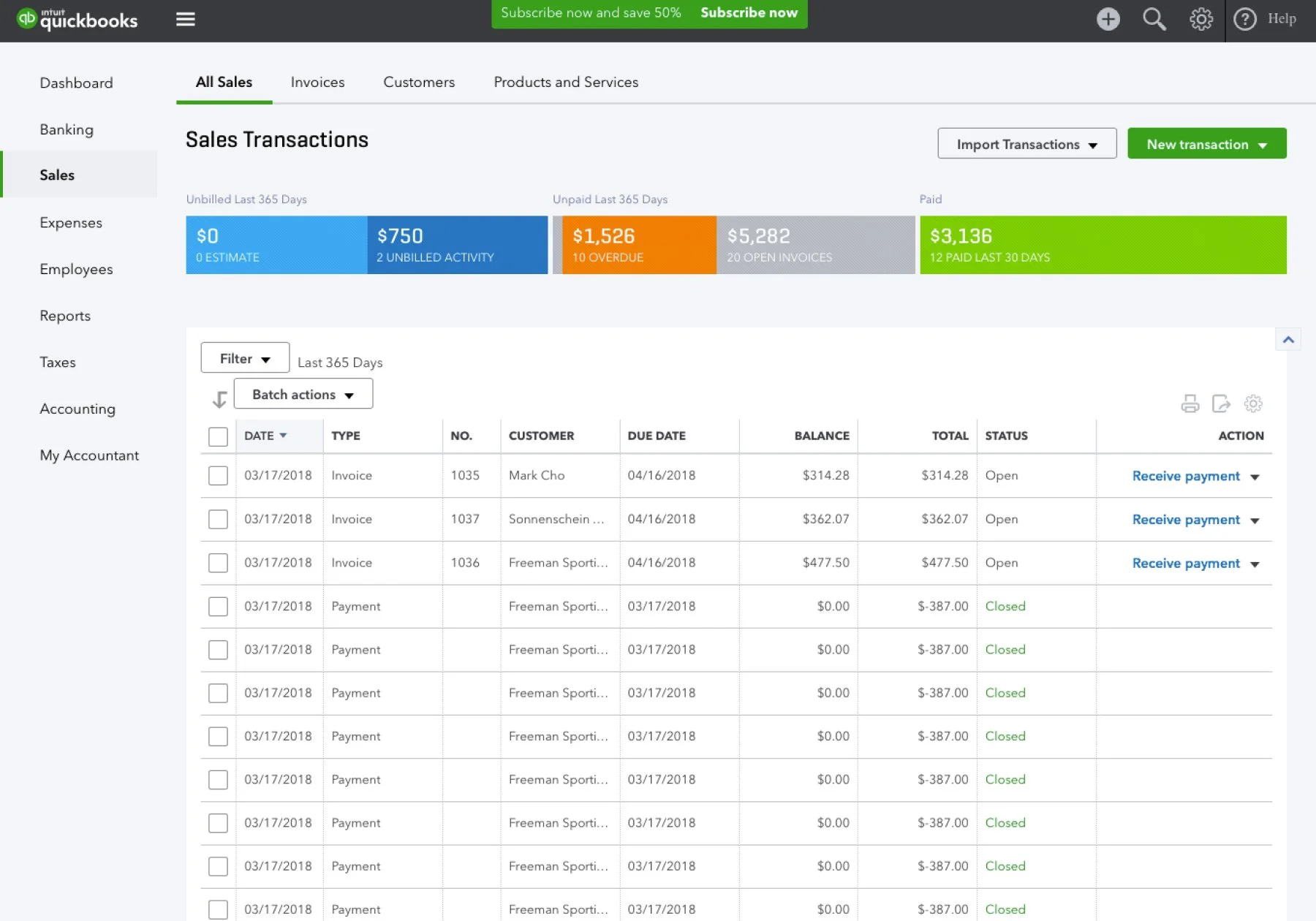
The accounting software landscape is vast and, honestly, a little overwhelming. There's no shortage of options, many of them free or cheap.
Here's my advice: pick QuickBooks Online upfront and commit to it.
QuickBooks Online is the industry standard for small business bookkeeping. Most bookkeepers and CPAs work in it every day. It's cloud-based, which means your data is accessible, shareable, and not living on a hard drive that could crash. And when you need professional help, I can guarantee your CPA knows how to use this tool.
The trap a lot of DIYers fall into is bouncing between tools. They may start with a simple spreadsheet before moving to Wave, then hear about something else and switch again. Every switch means lost data, a learning curve, and more cleanup costs down the road.
3. Pick the Right Accounting Method for Your Business
Let me share a bit of accounting theory (I’ll keep it as painless as possible, I promise).
There are two ways to track your business income and expenses: cash basis and accrual basis.
Cash accounting: You record money when it actually moves. Payment hits your account, you record it. You pay a bill, you record it. Simple.
Accrual accounting: You record income when you invoice, and expenses when you incur them, regardless of when the actual cash changes hands.
For most solopreneurs and small service-based businesses, cash accounting is the right starting point. Accrual accounting gives you a more accurate picture of where your finances are in real time, but it’s a lot more complicated to maintain.
Whichever method you choose, you need to stay consistent. The IRS expects you to use the same method year over year, and switching without proper guidance can create a headache that costs real money to fix.
(Not sure which one is right for you? That's exactly the kind of question worth asking a CPA. Book a chat with me and let’s talk it out.)
4. Reconcile Your Books Monthly (Not Just at Tax Time)
If you only reconcile your books come tax time, chances are you are very familiar with the “April panic.” Instead, you should reconcile your books every month, keeping things clean all year and making taxes easier and less stressful.
Monthly reconciliation helps you spot duplicate charges, missed invoices, or transactions that got miscategorized before they become a cleanup project. And it means that when tax time rolls around, your CPA isn't spending the first three hours of your engagement just trying to get everything untangled.
Think of monthly reconciliation less as a chore and more as a cost-control measure. Fifteen minutes a month now versus hundreds of dollars in cleanup fees later; that's the trade-off.
5. Keep Everything — Receipts, Invoices, All of It
When in doubt, keep it. That's the rule.
If you ever get audited — or even just questioned — by the IRS, your receipts, invoices, and financial records are your defense. Every business expense you claim needs to be backed up by something.
Here's what you should be tracking at minimum: sales, purchases, payroll costs, accounts receivable, accounts payable, and any loan payments.
Beyond that, hold onto receipts for anything you're planning to deduct.
The good news is this is so much easier than it used to be. Cloud-based tools, like QuickBooks Online, let you photograph receipts on your phone the second you get them. Build the habit of documenting as you go. It takes about 30 seconds per transaction and could save you thousands of dollars down the road.
Related Read: Bookkeeper vs Accountant vs CPA: What Do SMBs Need to Succeed?
6. Don't Wait Until You're Drowning to Ask for Help
If bookkeeping used to take a few hours a week and you’re noticing, as your business grows, those hours are ticking up to an unsustainable level, you’re reaching a bottleneck. The mistake a lot of small business owners make is waiting too long to do something about that bottleneck when it hits.
Instead, you need to be ready to bring in reinforcements before you drown.
Signs it might already be time to hire a bookkeeper:
You're spending more than a few hours a week on your books
You have a nagging feeling you might be doing something wrong
You've gotten a notice from the IRS
Tax season fills you with dread
Outsourcing your bookkeeping is a smart business decision for most growing businesses. The time you're spending on your back office is time you're not spending on your clients, your growth, or the work you actually started this thing to do.

Finding the Right Affordable Bookkeeping Partner
Following these six best practices will take you a long way toward managing your books, but at some point, you may realize that knowing what to do and actually having the bandwidth to do it are different things entirely.
That’s when it’s time to bring in the right partner.
You need a bookkeeping partner who is responsive, transparent, and willing to explain things in plain English. Someone who works in the cloud, communicates proactively, and sees themselves as your partner in success. Someone you can actually reach when a question comes up, not just someone who shows up once a year with a tax return and a bill.
You don't have to keep figuring this out alone. And you definitely don't have to keep losing weekends to QuickBooks.
If you're ready to talk through where your books actually stand and what the right support could look like for your business, let's chat.